

Introduction
When purchasing or using a press brake, you may often encounter the question: “Which tool should I use to bend this product?”Indeed, tool selection has a direct impact on bending accuracy, forming results, and even production efficiency. So, what exactly is a press brake tool? What are the common types? How do you select the right tool based on sheet thickness and bending angle? This article will give you a complete overview of press brake tooling basics, including types, structure, specifications, and key selection tips, so you can make better decisions.
The Role of Press Brake Tool Types in Metal Sheet Forming
Press brake tools play a pivotal role in metal sheet forming. They directly influence the quality of the bends, the speed of production, and the versatility of the press brake machine. Here’s how:
Precision and Accuracy: The right combination of punch and die ensures that the metal sheet is bent at the exact angle and radius required. This is especially important in industries like aerospace, where even minor deviations can lead to significant issues.
Material Compatibility: Different materials, such as aluminum, stainless steel, or copper, require specific tooling to prevent damage to the material or the tool itself. For example, harder materials like stainless steel need high-strength tools to withstand the bending pressure.
Flexibility: With a variety of tooling options, press brakes can handle a wide range of bending tasks, from simple 90-degree bends to complex shapes like U-channels or Z-profiles.
Efficiency: High-quality tools reduce setup time, minimize errors, and enhance overall productivity. They also help in achieving consistent results, even in high-volume production environments.
By understanding the role of press brake tooling types, operators can optimize their bending processes and achieve superior results.
Classification of Press Brake Tooling Types
Press brake tools can be classified based on their design, functionality, and compatibility with different machines. Here are the main categories of press brake tooling types:
1.American Precision Style
Designed for versatility and cost-efficiency, American-style tooling features a compact clamping area and a 0.50-inch-wide tang, enabling rapid tool changes. Its simplicity makes it ideal for general fabrication tasks, especially in dynamic environments requiring frequent adjustments. However, repeated tool swaps may gradually reduce precision due to its smaller clamping surface. This style balances affordability with adaptability, making it popular in workshops handling varied material thicknesses and bending applications.
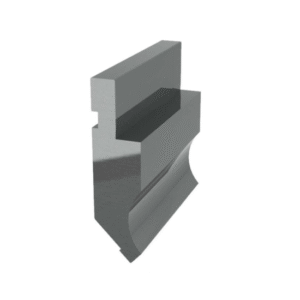
1.Standard Punch
Used for most standard 90° bends; simple and widely applicable.
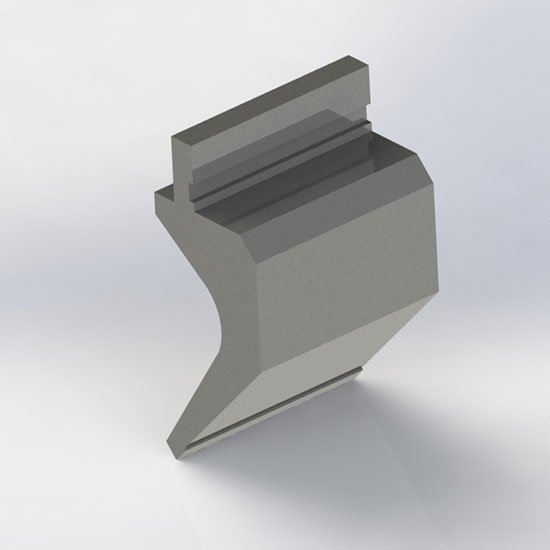
2.Gooseneck Punch
Specially curved to avoid interference with formed flanges or protrusions.
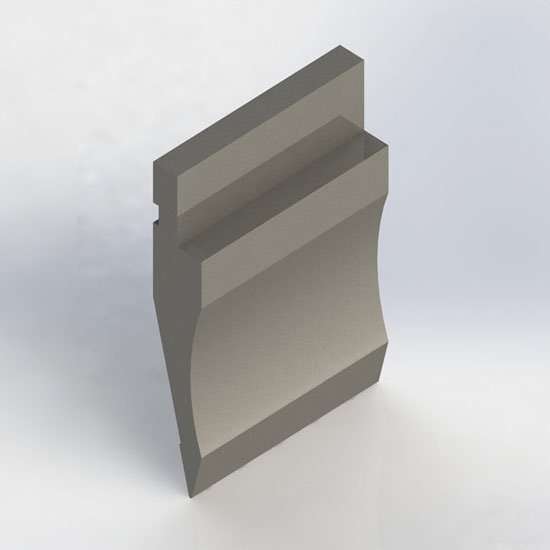
3.Acute Punch
Acute punches are best used for air bending 30 to 90 degree angles. These are also commonly used for making a 30-degree bend prior to hemming. Available angles from 30- to 60-degrees.
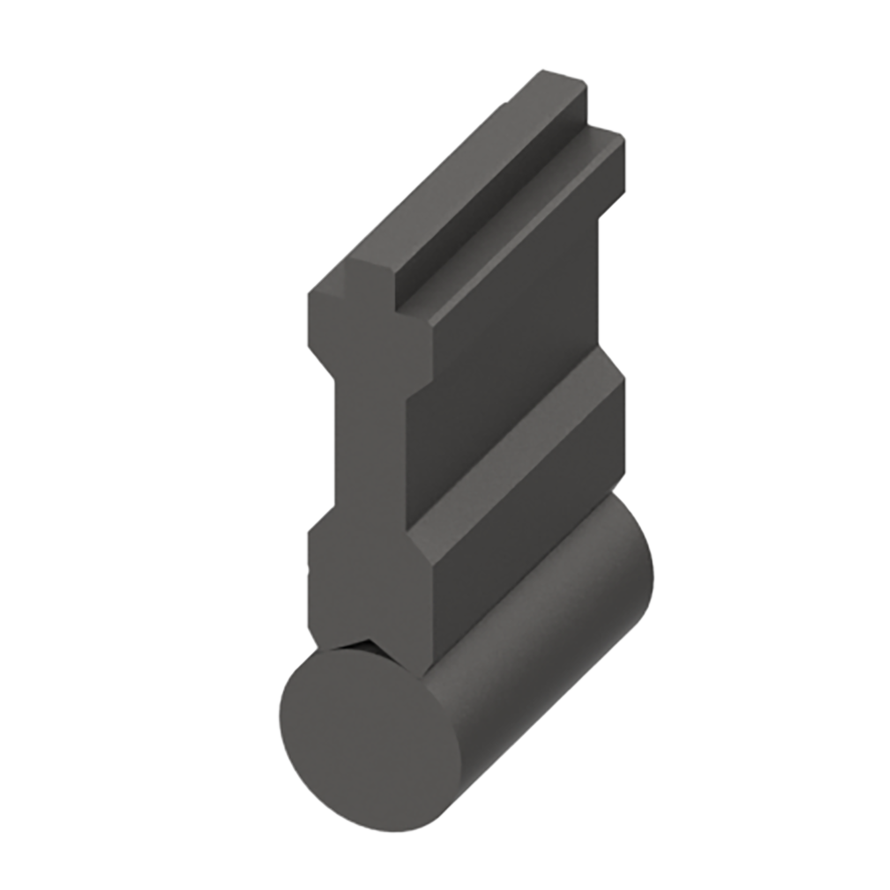
4.Radius Punch
Used for smooth, rounded bends and ideal for forming specific R radii in one pass
5.Sash punch
The Sash punch is very narrow with an angled tip, which is ideal for making a door sash or jamb
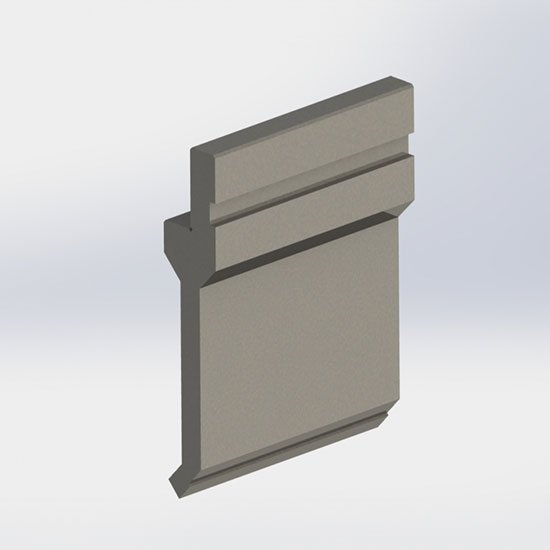
6.Hemming/Flattening Punch
Hemming/Flattening punches are used to flatten or hem a part after a 30-degree bend has been made.
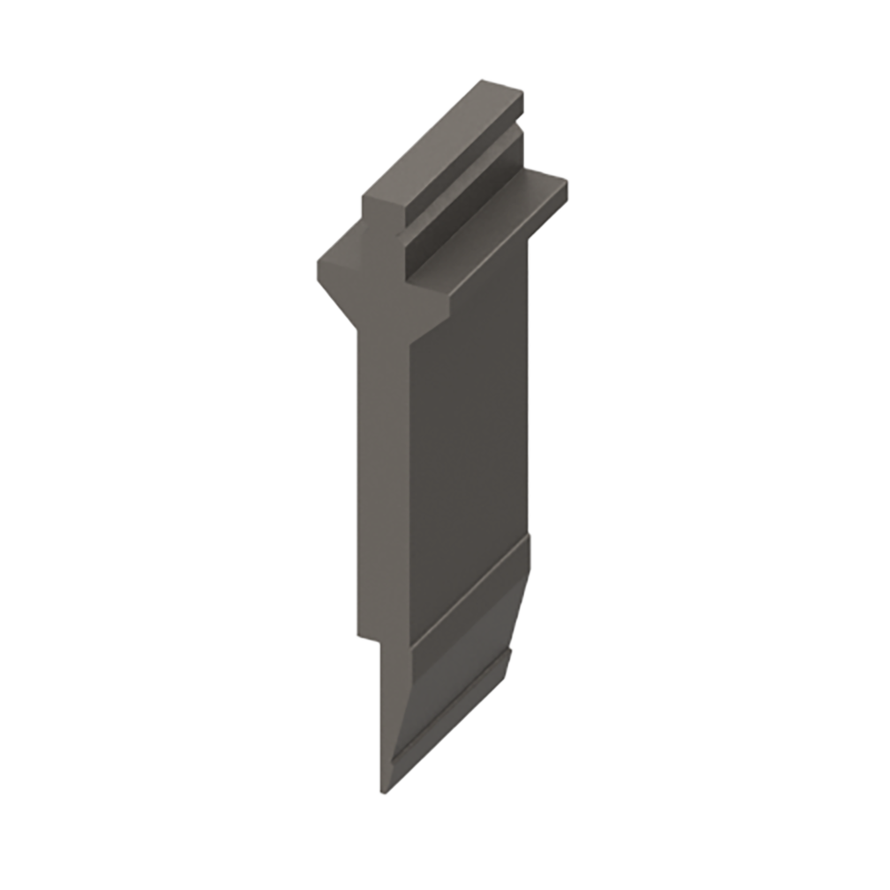
7. 1V Die
1V Die also called single V die which with V openings ranging from 4mm to 124mm with an angle range from 90 degrees to 30 degrees.
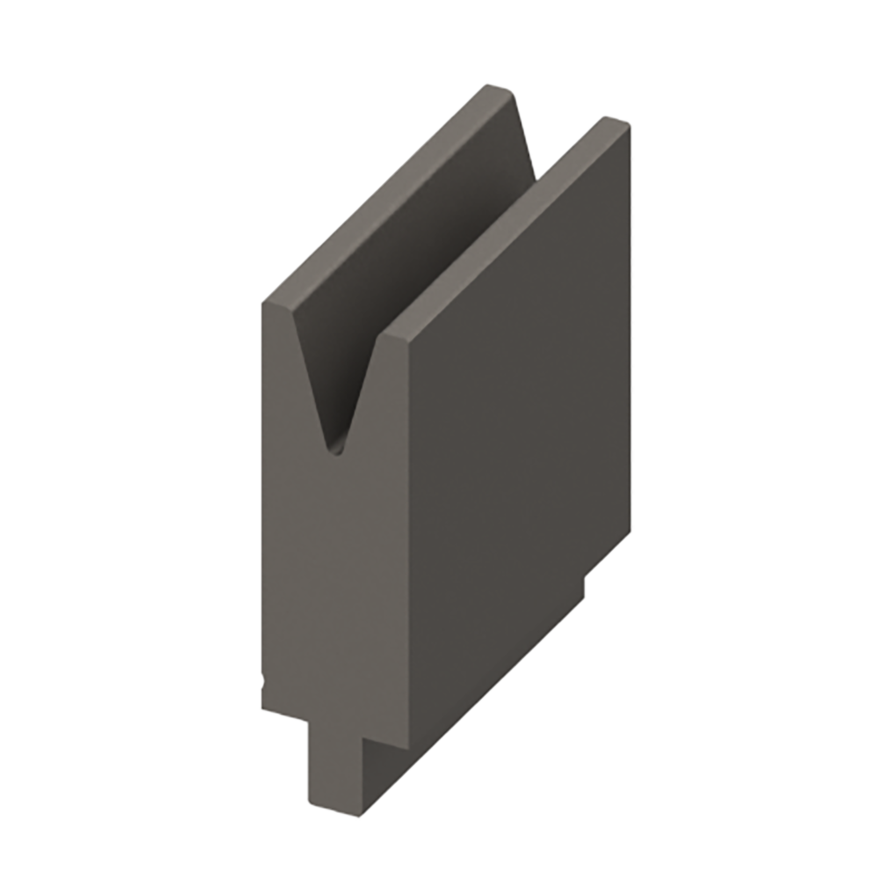
8. 2V Die
2V dies offer quick changeover capabilities with two V openings on the same die and no set screws. Stock sizes range from 4mm to 25mm V openings with an angle range from 90 to 30 degrees.
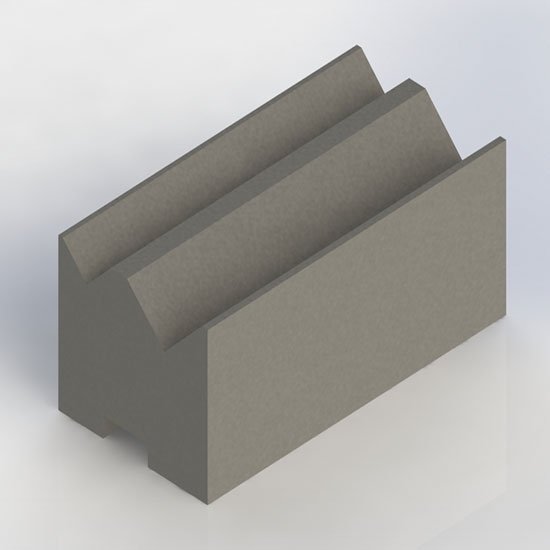
9. 4V Die
4V dies are a good solution for low quantities where quick set-up is not an issue and are available for virtually all major styles of press brake tooling.
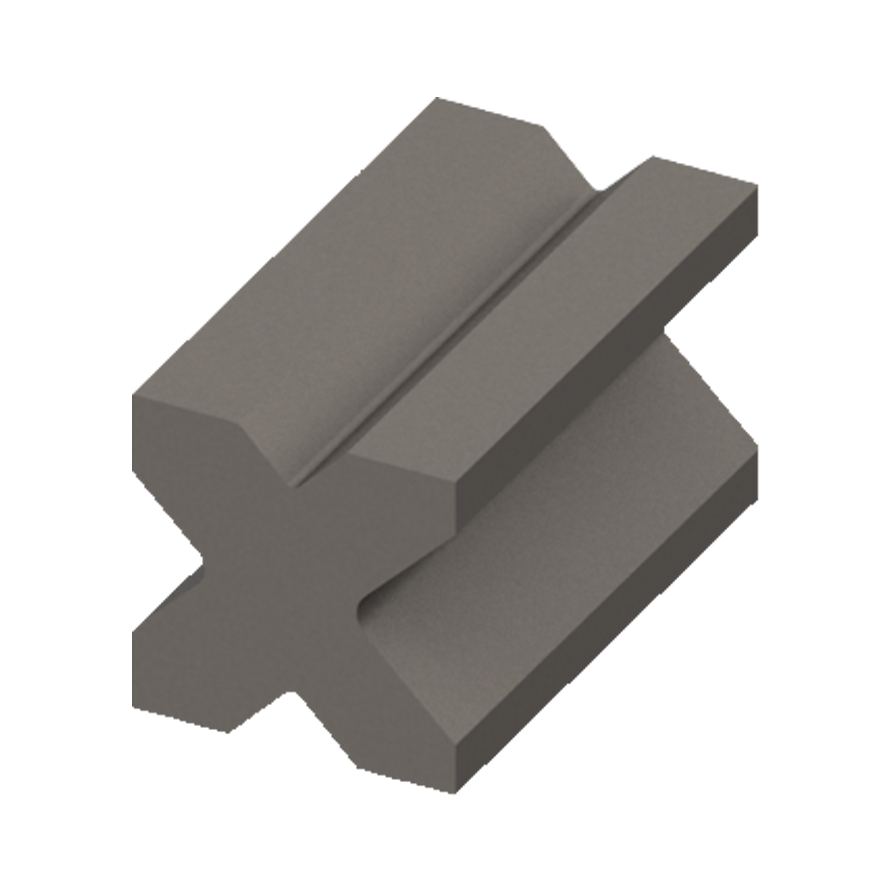
2.European Precision Style
Renowned for stability and accuracy, European-style tooling incorporates a 13 mm-wide tang and a rectangular side groove, enhancing clamping pressure and alignment consistency. Its robust design minimizes deflection during high-tonnage operations, ensuring tight tolerances for industries like aerospace or automotive. Compatible with CNC press brakes, this system prioritizes precision over speed, excelling in complex bending tasks where repeatability is critical.
1.Standard Punch
The Standard punch is a strong, low profile punch. It bends a wide variety of materials due to the radii offered as stock for 90° bending.
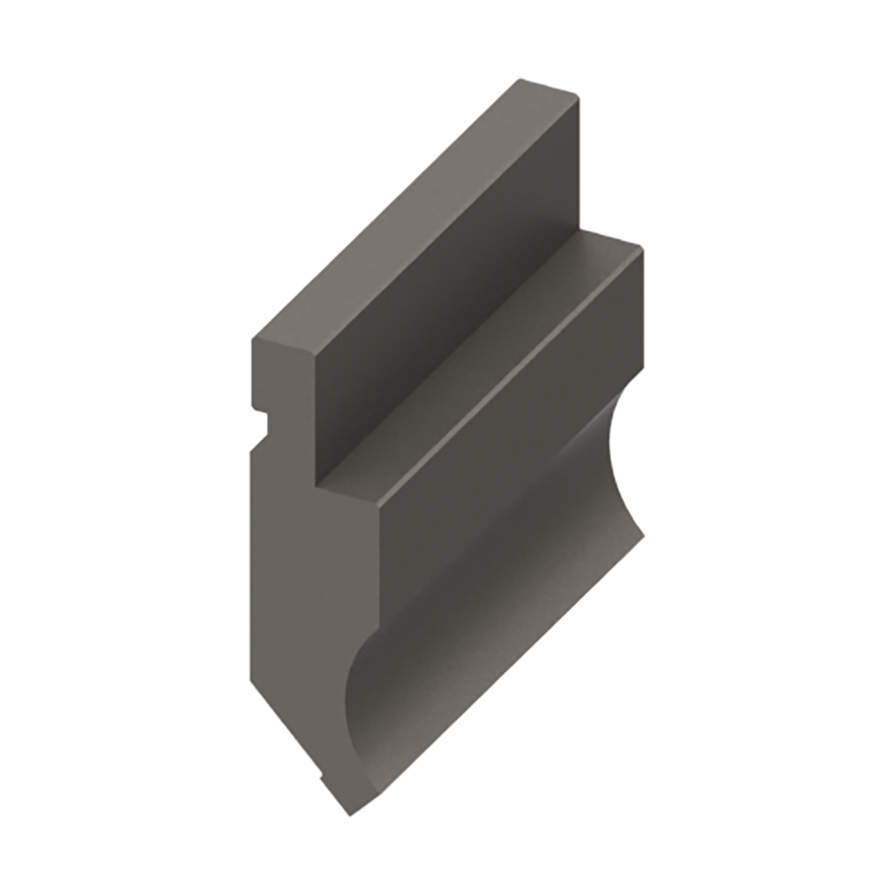
2.Acute Punch
Acute punches are best used for air bending 30 to 90 degree angles. These are also commonly used for making a 30-degree bend prior to hemming. Available angles from 30- to 60-degrees.
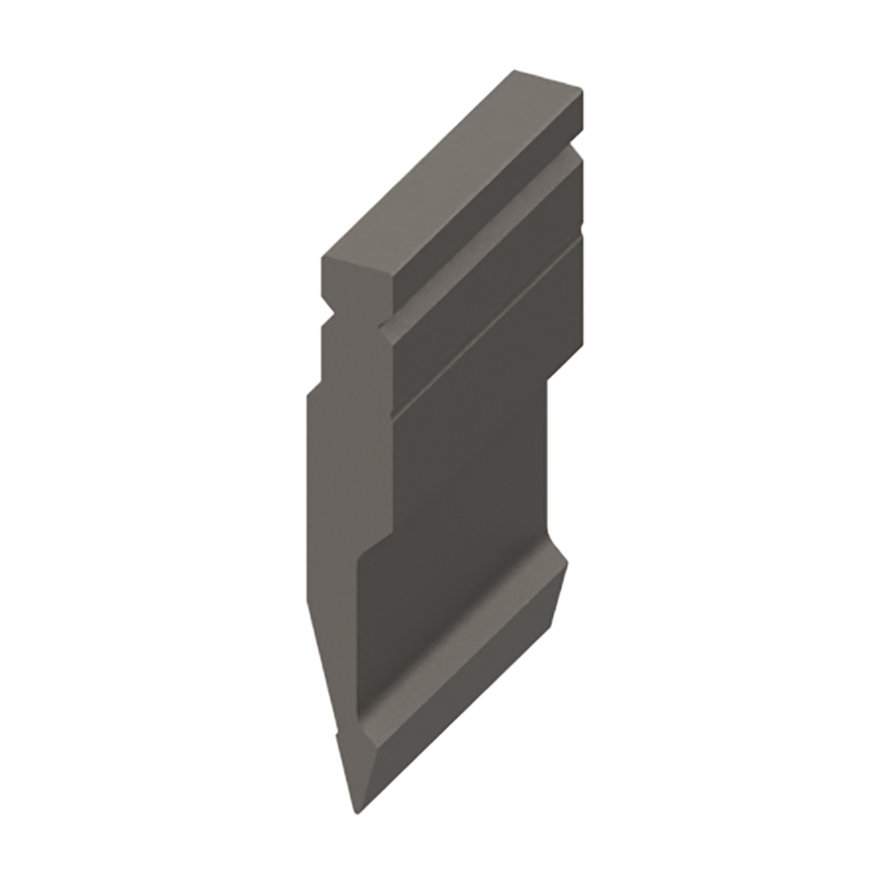
3.Gooseneck Punch
The Gooseneck punch is used for making channels or parts with a return flange that requires deep relief in the middle of the punch.
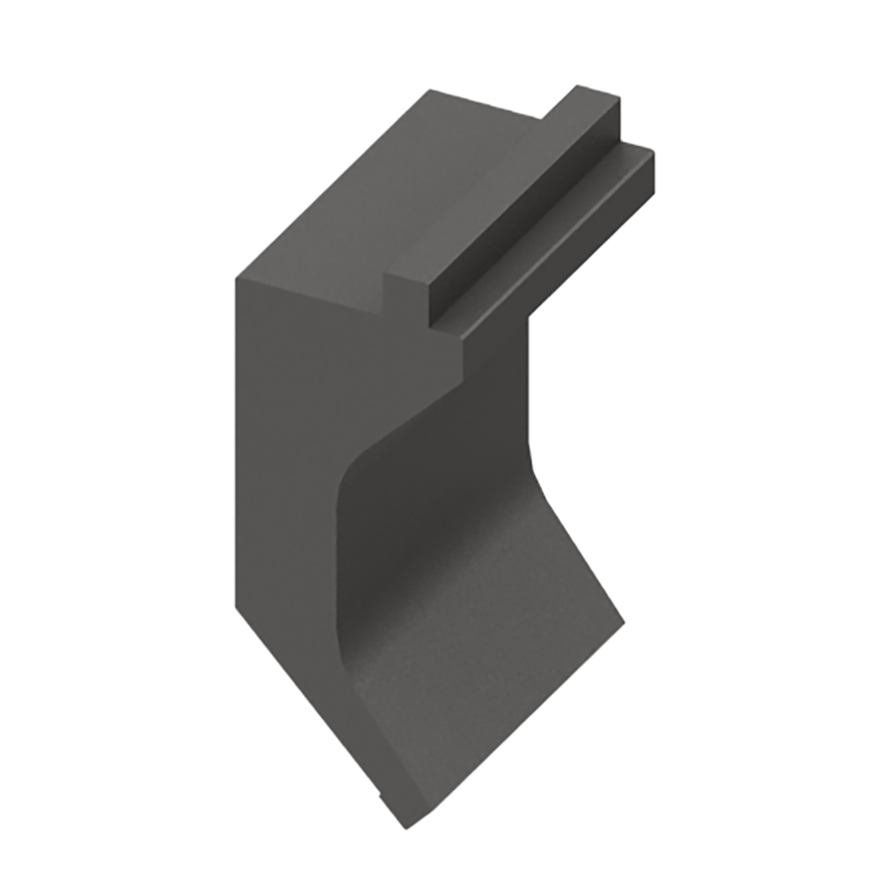
4.Sash Punch
The Sash punch is very narrow with an angled tip, which is ideal for making a door sash or jamb.
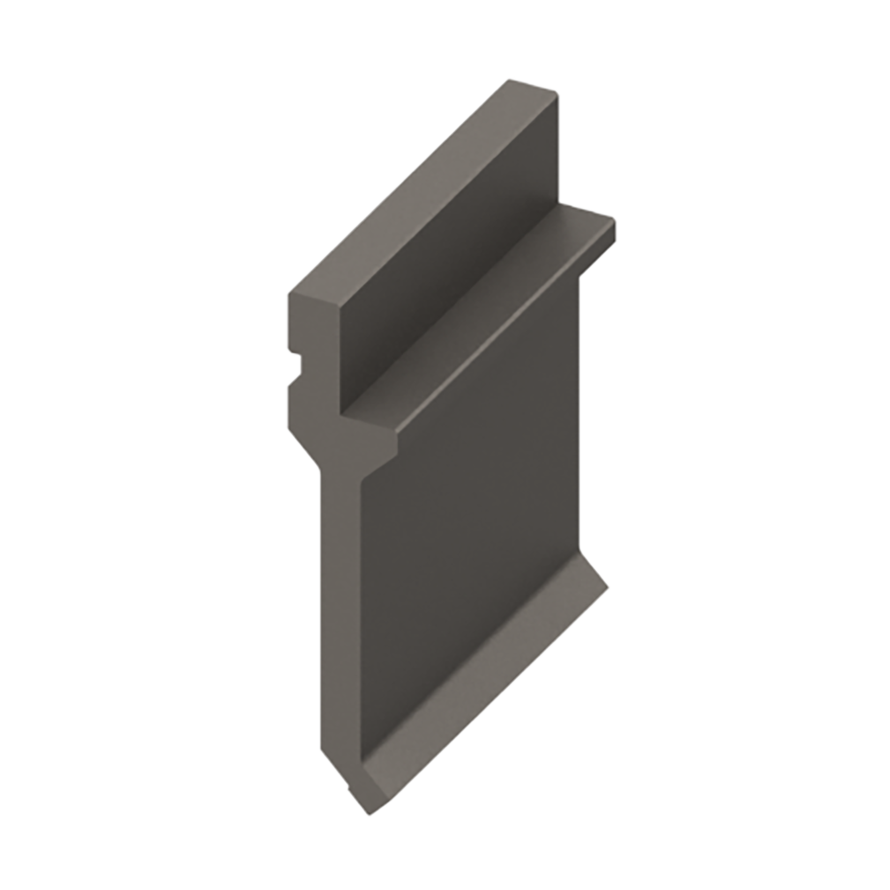
5.Narrow Punch
The narrow punch has a straight, thin body that allows flanges to wrap around both sides and is most commonly seen with 12.7mm or less in blade thickness.
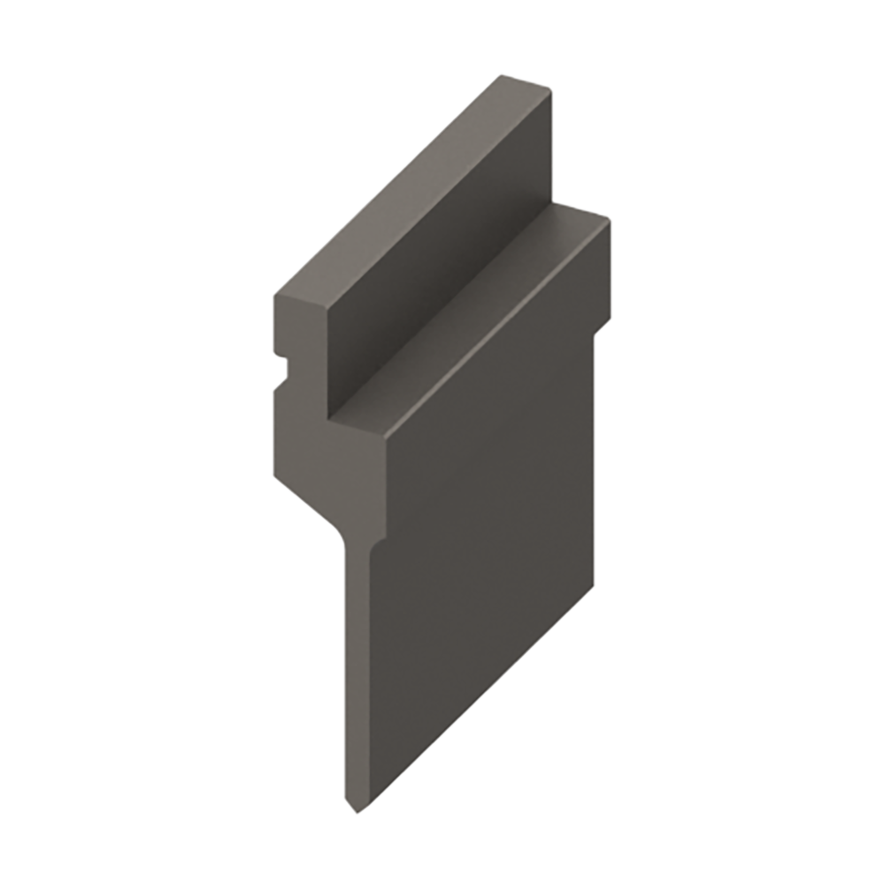
6.Single V Die
Euro Single V Die also know as T-V die tools
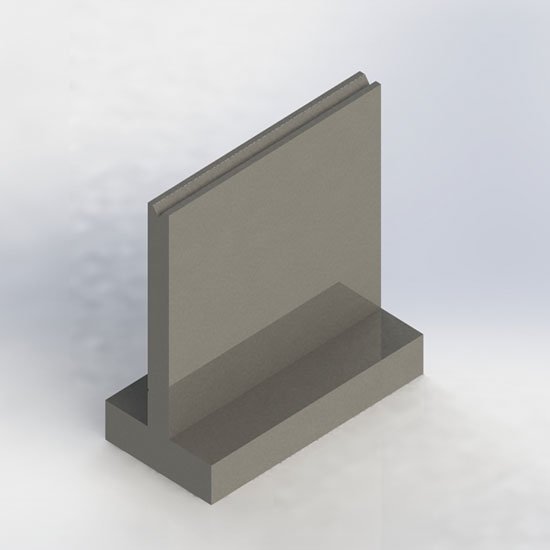
3.Wila-Trumpf style
Wila-Trumpf known as the world leader in the field of press brake productivity,it has innovative, high-quality tool holders and tooling systems
Wila Trumpf tooling uses a 20 mm-wide tang with front/rear grooves and hydraulic or automatic clamping mechanisms. This design enables self-alignment and swift changeovers—light tools (under 27.6 lbs) use spring-loaded buttons, while heavier tools employ pin-locking systems. Optimized for high-volume production, it merges speed with precision, reducing downtime in demanding manufacturing settings.
Conculsion
As a core component in sheet metal bending, press brake tooling directly affects bending accuracy, forming efficiency, and product quality stability. From standard V-dies to specialized gooseneck punches, each tool type serves a unique purpose in achieving precise, efficient, and high-quality bends. By understanding the role, components, and classifications of press brake tooling types, you can optimize your bending processes, reduce downtime, and enhance overall productivity.We believe you now have a better understanding of press brake tooling